CrisisLink
Starting July 16, 2022, the new national mental health emergency number is 988. Learn more.
Para español, por favor haga clic aquí.
Need Help or Need Someone to Talk to?
If you need someone to talk to or are experiencing a crisis, contact us immediately. PRS CrisisLink offers a trained, empathetic professional who can listen and help guide you. We operate 24/7 year-round. Your call is confidential, free of charge, and we have multiple languages available.
3 Ways to Connect:
- Call: 988 (or additional regional numbers below)
- Text: “CONNECT” to 855-11
- Chat: 988lifeline.org/chat
More about CrisisLink
At PRS CrisisLink, we provide a safe place to receive emotional support and connection to resources for on-going support and care.
PRS manages the Regional Crisis Call Center, which is designed to provide immediate, 24/7/365 access to professionals trained in:
- emotional support and crisis intervention
- connection to mobile crisis resources
- higher levels of care when appropriate.
For help, call 988 or see map below for regional numbers.
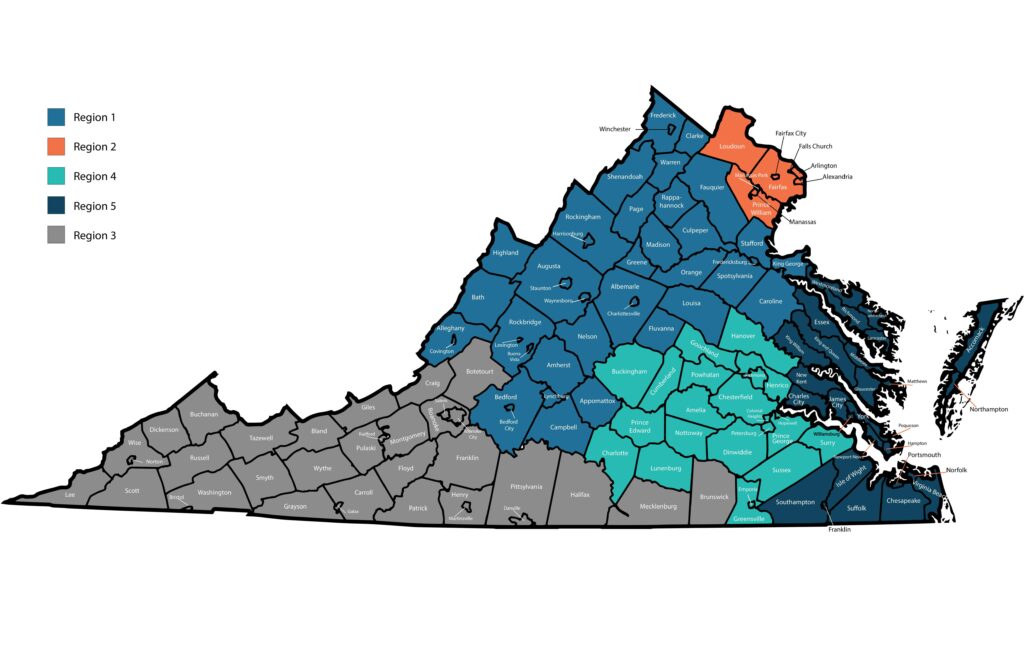
- Region 1: 434-230-9704
- Region 2: 703-527-4077
- Region 4: 804-223-5241
- Region 5: 757-656-7755
When you call PRS CrisisLink, you can expect:
- Emotional support
- Safety and risk assessment for suicide
- Connection to Mobile Crisis Resources when available and meets criteria
- Connection to a Care Navigator when you are seeking referrals and information for complex situations
- Warm connections to other behavioral health resources
- Consultation about how to support a loved one in crisis
- Follow-Up calls within 24 hours to ensure safety and ongoing connections
Who can access these services:
There are no limitations on age or abilities, anyone can benefit from calling PRS CrisisLink.
Resources:
Check out tips on how you can help yourself during crisis via the 988 lifeline: https://988lifeline.org/help-yourself/
Download your local hotline / 988 wallet card (English)
Download your local hotline / 988 wallet card (Spanish)
Get Involved:
If you are looking to support PRS CrisisLink, here are ways to get involved:
To learn more, please contact prsinfo@prsinc.org. To see a full list of services that PRS offers, visit: https://prsinc.org/behavioral-health/.
Credentials
Certifications
- Accredited by the American Association of Suicidology
- ICH accreditation and logos)
- Certified at Level IV, the highest possible level
- Cited as a nationwide model of excellence
Professional/Clinical Consultants
- Licensed clinical staff 24/7
- Community-based Licensed Clinical Social Worker with expertise in emergency mental health
- 988 Lifeline
Recognition and Awards
- Volunteer Arlington Distinguished County Service Award – In recognition of PRS CrisisLink volunteers’ outstanding service to the community.
- Arlington County Community Hero Award – To honor volunteers who have made a difference.
- James B. Hunter III Volunteer Excellence Award – In recognition of exceptional volunteer service.
- American Association of Suicidology – Outstanding Service under Extraordinary Circumstances.
- Arlington Chamber of Commerce ABBIE – To an organization that is well known and thought of by its clients for consistently delivering exceptional quality and service.
PRS CrisisLink is a program of PRS, a nonprofit that provides behavioral health, crisis, and suicide intervention services. PRS CrisisLink reaches communities in need locally, regionally, and nationally as a national back-up center for the 988 Suicide & Crisis Lifeline.
Hotline & Textline
24/7 Crisis & Suicide Prevention Hotline and Textline—offers crisis and suicide intervention and support to individuals in order to foster self-sufficiency by providing problem-solving skills and information on community resources so callers and texters can better cope with emotional trauma, personal and family crises.
Chatline
PRS CrisisLink answers chats from individuals contacting the 988 Lifeline chatline. The chatline offers crisis and suicide intervention and support to individuals in order to foster self-sufficiency by providing problem-solving skills and information on resources so chatters can better cope with emotional trauma, personal and family crises.
Community Education
Community Education—trains parents, youth, professionals, and community members on suicide prevention, mental health, and crisis response. read more
LGBTQI+ Youth 988 Service
PRS CrisisLink is a proud member of 988’s LGBTQI+ Youth Chat and Text Subnetwork. Any members of the LGBTQI+ community who are age 25 and below and are experiencing a crisis can now connect with a specially trained crisis worker at CrisisLink.
For specialized LGBTQI+ affirming support for youth, text “Q” to 988, press 3 when prompted while calling 988, or go to 988lifeline.org/chat and check the LGBTQI+ box in the pre-chat survey. There are crisis counselors available to support you without judgment.
Text: “Q” to 988 | Call: 988, option 3 | Chat: 988lifeline.org/chat